
The Evolution of Reels: From Physical to Digital
Progressive Jackpots That Can Change Your Life Instantly Playing Slot Games
You’re sitting at a noisy casino machine, watching the reels spin with flashing symbols and hoping for a lucky match. A slot game is a simple electronic game where you press a button to spin columns of pictures, and if identical images line up on a payline, you win a prize. The main appeal is the thrill of instant, random rewards, with no special skills required—just choose your bet and spin for a chance to hit a jackpot. You can play for a few minutes or hours, adjusting your wager to fit your budget and enjoying the bright lights and sound effects with every spin.
The Evolution of Reels: From Physical to Digital
The clatter of physical reels, each stop dictated by metal notches and gravity, once defined the slot player’s rhythm. Those early spinning drums literally housed symbols like cherries and bells on fixed mechanical strips, limiting the game’s complexity and payout possibilities. The digital revolution replaced these physical constraints with virtual random number generators, allowing reels to become infinitely complex arrays with dynamic layouts and cascading tiles. Instead of waiting for a single physical reel to jerk to a halt, players now see a fluid, animated sequence of symbols that can expand, clone, or disappear. This shift means the reel itself is no longer a physical object but a conceptual sequence of outcomes, where the visual spin is purely a stylized representation of an algorithm. The tactile edge of stopping a real wheel is gone, replaced by the immersive drama of digital physics.
Early mechanical designs and the first Liberty Bell machine
Early mechanical designs for slot games relied on spring-loaded drums and gear systems to spin and stop reels. The landmark first Liberty Bell machine, created by Charles Fey in 1895, used three metal hoops with symbols like the horseshoe and bell, and a single payout mechanism. Its automatic payout system, unlike earlier counter machines, directly dispensed coins for a winning alignment. A critical limitation was the physical wear on its metal frame and lever, restricting complexity.
Q: What made the first Liberty Bell machine different from earlier mechanical designs?
A: It introduced an automatic coin payout and a balanced reel mechanism that prevented jamming, setting the template for all future slot machine hardware.
Video technology revolution and the shift to online platforms
The video revolution replaced mechanical reels with high-definition displays, enabling dynamic animations and complex bonus rounds. The shift to online platform migration then eliminated physical hardware constraints, allowing instant access via browsers and apps. This transition followed a clear sequence: first, developers encoded RNG-driven video streams for desktop browsers; second, they optimized touch interfaces for mobile devices; third, they integrated HTML5 for cross-platform consistency. Each step removed spatial and temporal barriers, delivering lifelike slots directly to users without installation or upgrade costs.
Mobile-first development and touchscreen interfaces
Mobile-first development has transformed slot games by prioritizing touchscreen interfaces from the ground up. Developers now design reels and buttons for fingertip precision, replacing clumsy mouse clicks with fluid swipes and taps for spin and autoplay. This shift ensures responsive touch UX design scales seamlessly across devices. The result is an intuitive feel where players drag to adjust bets or long-press for quick settings, all without lag.
- Swiping left or right to spin reels with haptic feedback
- Pinch-to-zoom for inspecting paytable details
- Tap-and-hold to lock reels for strategic play
Core Mechanics and Random Number Generation
The core mechanics of slot games rely entirely on a Random Number Generator (RNG), a persistent algorithm producing thousands of numbers per second. When you press spin, the RNG captures the exact millisecond’s number and maps it to an independent reel outcome for each payline. This mechanism ensures each spin is isolated from past results, making patterns or “due wins” impossible. The RNG’s internal seed and algorithms are routinely tested for true randomness, so each outcome is as statistically independent as a physical dice roll. Understanding this verifies that no skill, timing, or near-miss influences results; only the unbroken chain of random outputs and the game’s programmed paytable define your session.
How RNG ensures fair outcomes across digital platforms
At the core of slot fairness is the random number generation algorithm, which continuously produces sequences of numbers even when the game is idle. When you spin, the system instantly captures the current number from this stream and maps it to a specific reel outcome. This process prevents any platform, operator, or player from predicting or influencing results. Each spin is an independent event, with no memory of previous rounds. Statistical randomness ensures that over millions of spins, the payback percentage matches the designed mathematical model, delivering consistent equity across all digital devices and platforms.
- Every spin draws from a seeding process that resets unpredictably, eliminating patterns.
- Algorithms are tested for equal distribution of outcomes to prevent bias toward any symbol.
- No external input (user timing or behavior) can modify the sequence of generated numbers.
Paylines versus ways-to-win structures
Traditional slots lock you into fixed paylines versus ways-to-win structures, dictating that winning combinations must land on activated lines from left to right. Modern ways-to-win systems ditch these lines entirely, paying for matching symbols on adjacent reels regardless of their position, often starting from the leftmost reel. Paylines reward precise targeting but limit volatility, while ways-to-win massively increase potential hit frequency across thousands of ways. This fundamental shift changes how you assess return-to-player and bet sizing, directly impacting your session strategy.
- Paylines require specific line activation; ways-to-win count every adjacent symbol cluster.
- Ways-to-win typically increase total bet by a multiplier per spin, unlike per-payline costs.
- Paylines offer clear visual paths; ways-to-win create more unpredictable, frequent payouts.
Volatility, hit frequency, and return-to-player percentages

Volatility, hit frequency, and return-to-player (RTP) percentages form the quantitative core of any slot game’s behavior. Volatility measures the risk and reward rhythm: high volatility produces infrequent but larger payouts, while low volatility yields frequent small wins. Hit frequency directly expresses how often a spin results in any payout, typically as a percentage of total spins. RTP represents the theoretical long-term percentage of wagered money returned to players, usually between 92% and 98%. These three metrics interact; a high-volatility slot with a high RTP will still have a low hit frequency due to the distribution of wins. Understanding these metrics allows a player to align game selection with their bankroll and session goals.
Visual and Thematic Diversity in Modern Titles
Modern slot games achieve visual and thematic diversity by leveraging cinematic 3D rendering and dynamic animation to create distinct worlds, moving far beyond classic fruit symbols. A player might spin through an ancient Egyptian tomb with hieroglyphic particle effects, then immediately enter a neon cyberpunk cityscape where reels pulse with LED grids.
The most effective titles use contrasting color palettes and character-driven narratives—such as a mythical forest versus a gritty pirate cove—to prevent sensory fatigue and maintain engagement across sessions.
This variance in art direction, from watercolor backgrounds to hyper-realistic symbols, ensures every title offers a fresh, immersive experience without relying on mechanical changes.
Popular themes: mythology, adventure, fantasy, and pop culture
Players dive into the thunderous realm of Norse gods in mythology slots, while adventure themes propel them through jungle ruins or pirate coves with every spin. Fantasy settings conjure enchanted forests, dragon lairs, and spell-casting wizards, offering rich visual escapism. Pop culture slots bring recognizable film, TV, and music icons directly onto the reels, creating instant engagement through nostalgia and brand familiarity. This blend of these dynamic thematic worlds ensures every session feels like a distinct story.
Popular themes like mythology, adventure, fantasy, and pop culture transform every spin into a unique visual journey, from ancient legends to modern icons.
Advanced graphics, animations, and cinematic soundtracks
Advanced graphics transform slot games into immersive visual experiences, using high-definition 3D renderings and layered environments that react to spins. Animations create fluid transitions, from cascading symbols to character-driven bonus sequences that narrate the action. Cinematic soundtracks amplify immersion with dynamic orchestral scores and sound effects that shift with gameplay intensity. The best titles synchronize animation peaks with audio crescendos, making every win feel like a climax in a film. This trio of elements builds emotional engagement far beyond traditional reels.
- High-fidelity 3D models and particle effects simulate realistic physics on every spin
- Frame-by-frame animations trigger unique character reactions during feature rounds
- Adaptive soundtracks shift tempo based on win streaks or near-miss moments
Cinematic audio-visual integration now sets top-tier slots apart from standard digital content.
Licensed intellectual property and branded content
Licensed intellectual property and branded content transform slot games by embedding familiar characters, film scenes, and music into the reels, instantly building player trust and emotional connection. These titles use storyline-driven features and authentic audiovisuals from the source material, making each spin feel like part of an interactive experience. Brand partnerships in slots ensure that symbols and bonus rounds reflect specific movie moments or band aesthetics, not generic themes. Players recognize loot drops or catchphrases directly from the license, elevating engagement without straying from core mechanics.
- Reels feature likenesses of movie characters or band members with official motion-capture animations
- Bonus rounds trigger narrative cutscenes or play licensed soundtracks from the original property
- In-game symbols replicate specific props, logos, or set pieces unique to the brand’s universe
Bonus Rounds and Special Features
You spin the reels, chasing a mundane win, when suddenly the screen shatters into a Golden Arena. This is the Bonus Round. Here, the base game pauses, and you are transported to a separate, high-stakes mini-game. You might pick from treasure chests for instant multipliers, or guide a character through a maze for free spins with sticky wilds. Special Features, like a cascading reels avalanche, can trigger mid-spin without a separate screen, blowing away winning symbols for new chances. Q: How do you ensure the Bonus Round actually triggers? A: Always check the paytable for “Scatter” symbols—landing three or more on adjacent reels almost always unlocks the feature, turning a losing spin into a narrative of unexpected fortune.
Free spins with multipliers and expanding wilds
Free spins with multipliers and expanding wilds amplify win potential by combining two potent mechanics. During this bonus round, triggered scatter symbols grant a set number of spins where an expanding wild substitutes for all paying symbols and stretches to cover an entire reel, increasing payline completion. A fixed or progressive multiplier, often ranging from 2x to 5x, then applies to all wins or is randomly assigned during the feature. Landing additional scatters retriggers extra spins, maintaining the wild expansion and multiplier accumulation across re-spins.
Free spins with multipliers and expanding wilds stack reel coverage with value multiplication, delivering high-volatility wins through persistent wild growth and escalating payout boosts.
Pick-and-click minigames and wheel-of-fortune mechanics
Pick-and-click minigames transform slot rounds into interactive treasure hunts, where you reveal prizes by selecting icons or chests from a grid. Wheel-of-fortune mechanics spin a segmented wheel, landing on multipliers, cash rewards, or free spins for high volatility thrills. These features inject player agency into bonus rounds, shifting from passive reel watches to decisive actions. The tension peaks when a wheel slows near a jackpot segment, or when one remaining unclicked box hides the grand prize. Together, they elevate engagement by blending luck with simple choice.
- Pick-and-click often includes cascading reveals, with each selection unlocking a new layer of rewards.
- Wheels may feature expanding prize pools that grow with consecutive spins.
- Interactive bonus rounds sometimes combine both mechanics, requiring picks to unlock wheel segments.
- Multi-level wheels let you spin again after landing on a “spin again” segment, extending gameplay.
Progressive jackpots and linked prize pools
Progressive jackpots and linked prize pools connect a small portion of every bet across a network of slot games, creating prize amounts that can reach life-changing sums. Unlike fixed jackpots, these pools grow continuously until a single spin triggers the full payout, often through specific symbol combinations or a random bonus round. The most enticing aspect is the networked prize pool escalation, where multiple casinos contribute to a single, massive jackpot that can be won by any player on the linked machines. This pooling effect makes the potential reward far larger than any standalone game could offer, turning every standard spin into a shot at a multi-million-dollar win.
- Jackpots increase with every eligible bet placed across all linked games or casinos.
- Winning typically requires hitting a specific, rare symbol set or entering a dedicated bonus feature.
- Prizes can be “must-drop-by” amounts, forcing a payout once the pool reaches a guaranteed threshold.
- Some systems offer multiple tiers (mini, minor, major, grand) all drawing from the same pooled contributions.
Strategies for Managing Bankroll and Session Play
Effective bankroll management begins by dividing your total funds into session-specific amounts you are comfortable losing. A strict loss limit per session prevents emotional chasing, while a win goal locks in profits before variance turns against you. Choose slot volatility that matches your session length: low volatility for steady, longer play; high volatility for short, high-risk bursts. Knowing when to walk away after a hot streak is more valuable than any reel combination. Always set a timer to enforce breaks, as fatigue erodes discipline. Your bankroll should never exceed 1-2% of your total funds per spin. This structural approach transforms slots from a gamble into a controlled session strategy, preserving your leisure budget regardless of outcomes.
Setting win limits and loss thresholds
Establishing predefined win limits and loss thresholds is a core discipline for session control. A win limit dictates the exact profit level at which you stop playing, protecting your session gains from being churned back. Conversely, a loss threshold sets a hard stop at a specific amount of loss, preventing impulsive chasing. Both figures should be set before a single spin, based on your total bankroll. For example, a 30% gain target or a 20% loss cap gives clear boundaries. Adhering to these limits transforms play from erratic gambling into a structured activity, ensuring you leave the session with either your profit or your remaining bankroll intact.
Understanding bet size relative to total balance

Understanding bet size relative to total balance is the cornerstone of slot bankroll management. A core principle is to treat your entire balance as a finite resource, with each spin representing a percentage of it. Fixed percentage betting ensures survival by capping your wager at, for example, one to two percent of your total funds. This logical approach creates a dynamic scale: your bet decreases proportionally after losses, extending playtime, and increases after wins, capitalizing on a hot balance without overexposing your base capital. Calculating the number of spins your bankroll can sustain at a given bet size directly dictates session longevity and risk tolerance.
Using demo mode for practice and familiarity
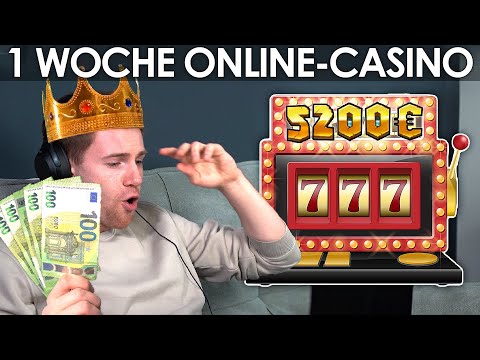
Before committing real funds, leverage demo mode to dissect a slot’s volatility and hit frequency without financial risk. This practice allows you to test bet sizing strategies and observe how features like cascading reels or bonus rounds trigger during extended play. Using demo mode for hands-on familiarity with game mechanics builds muscle memory for bankroll pacing, ensuring you recognize when a machine’s payout pattern shifts from dry spells to potential windows. Treat each demo session as a calibrated stress test for your session limits.
Player Psychology and Irresistible Engagement Loops
Slot games master player psychology through variable ratio reinforcement, where unpredictable wins trigger dopamine spikes that make each spin feel like a potential jackpot. The near-miss effect exploits the brain’s pattern-seeking nature, convincing players they were “close” to winning and fueling relentless replay. This creates an irresistible engagement loop: spin, almost win, chase. Designers carefully tune hit frequency and reward magnitude to sustain momentum without ever fully satisfying the player’s craving. Each visual and auditory cue—flashing lights, celebratory sounds—reinforces the loop, turning a simple action into a compulsive cycle of anticipation and pursuit.
Near-miss effects and variable reward schedules

The near-miss effect exploits a slot outcome where two matching symbols flank a third, almost identical one, simulating a win despite a net loss. This triggers dopamine release in reward centers, reinforcing play through the perception of skill or progress. When combined with variable reward schedules—where the timing and size of wins are unpredictable—engagement becomes compulsive. The brain’s reward system treats these near-wins as partial reinforcement, accelerating the persistence loop despite repeated losses. The near-miss effectively hijacks pattern-seeking instincts, making losing spins feel like learning. This psychological mechanism follows a clear sequence:
- User experiences a near-miss, activating striatal reward prediction error.
- Variable schedule delivers occasional actual wins, creating uncertainty.
- Dopamine spikes from both near-misses and wins prevent extinction of the behavior.
Loss-chasing behavior and cognitive distortions
Loss-chasing behavior is a destructive loop where players increase bets or extend play after a loss, driven by the cognitive distortion of the near-miss effect. This delusion tricks the brain into believing a win is imminent, triggering dopamine despite consecutive losses. Other distortions include the gambler’s fallacy, where players view independent spins as part of a streak, and attribution bias, which credits wins to skill while blaming losses on bad luck. Together, these errors fuel irrational persistence.
- Near-miss spins (e.g., two matching symbols) activate reward centers, mimicking a real win to encourage further play.
- The gambler’s fallacy leads players to wager more after a losing streak, assuming a “due” payout.
- Magnification of recalled wins and minimization of losses rewrites risk perception.
Gamification elements: levels, achievements, and leaderboards

Slot games leverage gamification-driven engagement loops by transforming spins into progress. Levels unlock new visual themes or increasing bonus multipliers, rewarding persistent play. Achievements, like “Spin Streak Master” or “Jackpot Hunter,” provide dopamine hits via pop-up celebrations for completing specific slot patterns. Leaderboards fuel competitive urgency by ranking players on win totals or unique symbol collections, prompting repeated attempts to climb a global tier. Each element creates a mini-goal within the core gamble, ensuring the loop of spin, unlock, and rank stays irresistible.
Responsible Gaming and Regulatory Landscape
For slot games, the responsible gaming landscape is embedded in practical game features. Players can set mandatory deposit limits and time-limit reminders directly within the slot interface, preventing prolonged sessions. The regulatory landscape enforces “cool-off” periods that temporarily lock your account at your request, as well as mandatory “reality checks” that flash on screen every hour to report session duration and net losses. These tools are not optional suggestions; they are structural requirements for any licensed slot operator. You should always activate these controls before starting a spin, as they are your primary defense against chasing losses in a high-volatility slot environment.
Tools for self-exclusion, deposit limits, and reality checks
For slot players, practical player protection tools are directly accessible within your account settings. Self-exclusion instantly blocks access to all slot games for a chosen period, removing temptation. Deposit limits cap your daily, weekly, or monthly spending, preventing overshoot during extended sessions. Reality checks pop up at set intervals, displaying your playtime and net losses without interrupting the game. These three controls work in tandem: set a deposit limit before you spin, activate a 30-minute reality check, and use self-exclusion if you ever feel control slipping. They are your on-demand safety net, not a restriction but a strategy for sustainable play.
Jurisdictional licensing and third-party testing bodies
Jurisdictional licensing mandates that slot game operators and developers submit their random number generators and payout algorithms to accredited third-party testing bodies like eCOGRA or GLI. These entities independently verify that each slot game meets the jurisdiction’s technical standards for fairness and compliance. Only after certification from an approved laboratory can a slot title be deployed in a regulated market. Players should check a game’s certification seal to confirm it has passed these rigorous audits.
- Third-party testers assess RNG integrity to ensure each spin is unpredictable and independent.
- They verify stated Return-to-Player (RTP) percentages against actual game performance.
- Certification documents must be publicly accessible or displayed at the slot game lobby.
Problem gambling resources and ethical design practices
When playing slots, ethical design practices include features like mandatory time reminders and loss limits that help you stay in control. If you ever feel it’s going too far, problem gambling resources such as national helplines and self-exclusion tools are built directly into many platforms. No one plans to develop an unhealthy habit, so these safeguards exist to quietly nudge you back to fun.
- Deposit caps and reality checks are ethical design tools that let you set your own boundaries.
- One-click access to support groups or chat helplines is a standard resource in responsible slots.
- Cool-off periods allow you to pause without permanently losing your account.
- Clear, non-tricky buttons for self-exclusion prevent accidental clicks and empower you to step away.
Platform Ecosystems: Casinos, Aggregators, and Developers
In the slot game world, a platform ecosystem connects multiple layers with distinct roles. The developer creates the core slot math and visual theme, like a five-reel ocean adventure. That game then goes to an aggregator platform, which acts as a central hub—it hosts hundreds of titles from different studios. The aggregator then feeds these games into various online casinos, ensuring seamless API integration so a player can click from the lobby straight into the spin. The casino itself curates this selection, placing the developer’s slot in specific categories or launching it as a featured title. If a developer’s mechanism—like a cascading reel feature—lags, the aggregator’s middleware ensures the casino lobby still loads the game quickly. This three-part chain means a player sees a polished, lag-free slot, while the casino gets a diverse library without building each game itself.
Top game studios and their signature franchises
Within platform ecosystems, top game studios like NetEnt and Microgaming define genres through their signature franchises. NetEnt’s *Dead or Alive* series delivers high-volatility western thrill, while Playtech’s *Age of the Gods* ties progressive jackpots to mythology. Pragmatic Play counters with *Wolf Gold*, a consistent top performer, and Microgaming’s *Mega Moolah* remains the benchmark for life-changing prizes. These studios compete with distinct mechanics: NetEnt favors immersive features, whereas Big Time Gaming’s *Bonanza* pioneered the Megaways engine, altering reel-spinning standards.
How software aggregators curate lobby experiences
Software aggregators curate lobby experiences by applying algorithmic sorting and metadata tagging to thousands of slot titles. They prioritize games based on player behavior, surfacing high-volatility slots or those with cascading reels in visible carousels. This aggregator-driven lobby logic uses real-time return-to-player (RTP) filters and theme clustering to group games like “Egyptian adventures” or “cluster pays” mechanics. The curation dynamically adjusts when a player selects a specific volatility filter, instantly re-sorting the visible grid.
How do aggregators decide which slot games appear first in a lobby? They use engagement metrics like session depth, win frequency, and social sharing rates to push trending or sticky games above competitors, overriding alphabetical or recent-added defaults.
Cross-platform compatibility and HTML5 adoption
HTML5 has become the backbone of modern slot development, enabling seamless transitions between desktop and mobile play without sacrificing performance. This technology allows a single game build to adapt responsively to any screen size, from portrait phones to landscape tablets. Developers leverage cross-platform compatibility for slot games to ensure consistent frame rates and touch-responsive controls across devices. Players now expect instant loading in browsers rather than downloading native apps, a shift driven entirely by HTML5’s efficiency.
- Unified codebase eliminates separate builds for iOS, Android, and Windows.
- Touch gestures like swipe reels and tap-spin function identically on all devices.
- Canvas and WebGL render crisp 3D graphics without plugins or flash.
- Browser-based play erases update delays between platform versions.
Trends Shaping the Future of Reel-Based Gaming
Reel-based gaming is shifting toward deeper player agency. Mechanics like “hold and spin” features now let you manually lock specific symbols, creating strategic stop points during a bonus round. Another trend is “cluster pays” replacing fixed paylines, where adjacent matching symbols on dynamic reels create cascading wins. Q: How do volatility settings affect this? A: High-volatility clusters deliver larger but less frequent payouts, suiting players who prioritize long-term potential over constant small wins. Expect more “buy-a-bonus” options that allow immediate access to these high-volatility feature rounds, alongside “reel modifiers” like expanding wilds that grow with each cascade, directly changing the physical layout of the reel set mid-spin. This hands-on control over reel behavior is the core of modern slot evolution.
VR and AR integration for immersive environments
VR and AR integration transforms slot games by overlaying digital reels onto the player’s physical space or fully immersing them in a 3D casino environment. Practical implementations include AR allowing users to spin a slot machine on their coffee table, while VR places them inside a virtual room with interactive levers and dynamic lighting. This technology enables gesture-based control, where pulling a virtual handle or tapping floating symbols replaces a screen tap. A key focus is spatial sound and haptic feedback, which syncs with reel outcomes to heighten presence. Q: How does AR handle real-world obstacles during gameplay? A: AR uses depth sensing to map furniture, ensuring reels float unobtrusively and do not overlap with physical objects.
Cryptocurrency payments and blockchain provably fair systems
Cryptocurrency payments make depositing and withdrawing on slot sites near-instant, sidestepping bank delays and fees. Beyond speed, the real shift is **blockchain provably fair systems**, which let you personally verify each spin’s result wasn’t tampered with. You check the algorithm yourself right after the round, confirming the random outcome was genuine. Trustless, transparent reel results remove any guesswork about fairness. Q: How does a provably fair slot work with crypto? A: The game shares a unique hashed seed with you before the spin; after, it reveals the seed so you can run a third-party verifier to prove the result wasn’t altered.
Artificial intelligence for personalized gameplay and recommendations
Artificial intelligence tailors slot sessions by analyzing player behavior, such as spin speed and bet size, to dynamically adjust volatility and bonus triggers in real-time. This enables adaptive recommendation engines that suggest games matching individual risk tolerance and past win patterns, moving beyond generic RTP percentages. AI also fine-tunes feature frequencies, like sticky wilds or free spins, based on engagement metrics rather than fixed schedules. This shift from static game rules to fluid personalization creates a feedback loop where player actions directly shape future slot experiences.
- Recommends optimal bet sizing and autoplay limits based on session history
- Adjusts reel layouts or wild frequencies to maintain personalized challenge
- Analyzes loss thresholds to trigger customized bonus interventions
- Clusters players by preference profiles for targeted game features
Tips for Exploring New Releases and Classics
When exploring new slot releases, always start with the free demo mode to test the volatility and bonus mechanics before risking real money. For classics, focus on those with consistent RTP above 96% and simple paylines that have proven durable over time. Mix sessions: try one new release for every two classic spins to gauge innovation versus reliability. A short inline Q&A: Q: How do I spot a worthwhile new slot? A: Check if it introduces a unique reel modifier or respin feature, not just a reskinned theme. Always verify the maximum win potential from the paytable before committing to either category.
Reading game descriptions and feature lists
When exploring new slot releases, do not merely glance at a game’s theme; instead, dissect its feature list. A deep reading of slot mechanics reveals if a title offers the volatility and bonus potential you seek. Scrutinize the paytable to understand symbol values and the precise conditions for triggering free spins or multipliers. This proactive approach separates informed play from blind luck.
- Identify the RTP range and volatility level stated in the description.
- Check for special symbols like Wilds, Scatters, and Bonus icons before playing.
- Note the max win multiplier and any cap on free spin retriggers.
Checking volatility ratings and max win potential
Before spinning, check the game’s volatility rating to gauge risk—low volatility delivers frequent small wins, while high volatility offers thrilling, less common payouts. Pair this with the max win potential, often listed as a multiplier, to see if the biggest jackpot fits your playstyle. For example, a highly volatile slot with 10,000x max win promises life-changing potential but demands patience and a larger bankroll. Always weigh these two numbers together to align your session with your goals.
Volatility shapes the ride; max win potential defines the destination—verify both to play smart.
Community forums and streamer reviews for insights
Community forums are goldmines for unfiltered slot game insights, where players dissect RTP patterns and volatile streaks in real time. Streamer reviews offer dynamic, visual proof of a game’s behavior, showing how features trigger under actual play. Leveraging peer-driven feedback helps you spot hidden gems or duds before risking your bankroll. 399bet A player’s forum rant about a “dead” bonus round can save you hours of frustration, while a streamer’s live breakdown of a classic’s re-release reveals its true payout tempo. Q: How do I filter noise from these sources? A: Focus on threads with 100+ replies or streamers who play the full session, not just highlight wins.
What Exactly Defines a Slot Machine Game Today
Core Mechanics: How Reels, Paylines, and Random Outcomes Work
Key Differences Between Classic, Video, and Progressive Slots
Decoding the Feature Set: What Makes a Slot Playable
Wilds, Scatters, Multipliers, and Bonus Rounds Explained
How Free Spins and Pick-and-Click Games Boost Engagement
Volatility Levels: What Low, Medium, and High Variance Mean for Your Sessions
Choosing the Right Game for Your Play Style
Matching Theme, Graphics, and Audio to Personal Preference
How to Evaluate RTP Percentage Before You Spin
Practical Tips for Maximizing Your Slot Experience
Bankroll Management Strategies for Longer Playtime
When to Use Auto-Play or Turbo Spin Features
Frequently Asked Questions About Playing Slots
How Do Linked Progressive Jackpots Really Pay Out?
What Triggers a Bonus Round During Normal Gameplay?
Can You Predict When a Slot Machine Will Hit?
