
KLOW Price & Cost 2026: $259 28-day fill All-In
Some users apply a small portion of the reconstituted KLOW solution topically for skin applications. Both are water-soluble and compatible in bacteriostatic water solution. The other common schedule is 3 shots a week , Mon/Wed/Fri,. While human clinical data remains limited, the mechanistic rationale is compelling and early reports are encouraging. – Viewing peptides as optimization tools — not magic solutions Conservative Start 0.05mL daily for week 1 Gradual increase First-time users Assess tolerance
A common schedule observed is administering 10 units once a day. Around weeks 6 to 8 (shedding usually decreases), and the hair begins to feel denser. The process of collagen remodeling necessary for scar tissue is gradual, resulting in slower development of scars. Among its elements (GHK-Cu has undergone topical cosmetic studies), BPC-157 is supported by three small uncontrolled human reports, while TB-500 and KPV lack any human data. User reports frequently highlight themes such as the alleviation of joint and tendon issues within approximately two to four weeks, alterations in skin texture and tone occurring between weeks three to six, and the resolution of gut symptoms during the initial three weeks.
This blend is typically manufactured using established peptide synthesis methods and purified through HPLC to achieve analytical purity suitable for research and assay use.
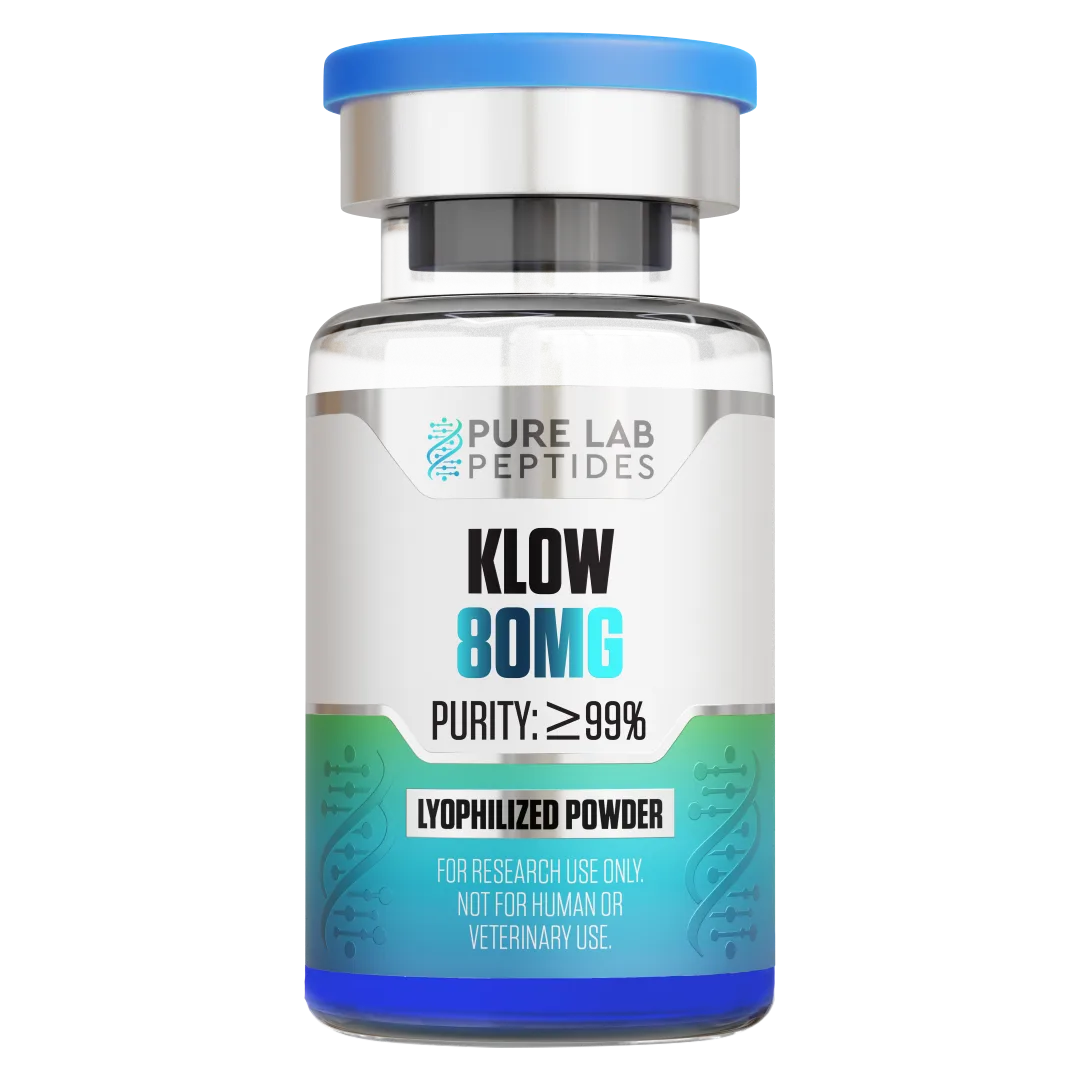
It is commonly examined in research settings where combined peptide formulations are studied for their collective behavior, stability, and analytical performance under standardized laboratory conditions. I agree to follow applicable laws and regulations, and I agree to the Terms of Service and Privacy Policy. We do not provide usage instructions — dosing guidelines, or any advice regarding the application of our products.
KLOW Stack is a compounded medication prepared by a licensed US pharmacy after a prescription from a licensed provider. Some of our protocols combine compounds. Your provider sets your specific protocol; we do not publish dosing on this page. KLOW Stack is a compounded medication prepared by a licensed 503A pharmacy for a specific patient after a prescription. How a three-amino-acid fragment of alpha-MSH targets NF-κB signaling to calm inflammation in the gut and skin — mechanism (evidence), dosing, and comparisons. No controlled human trial has measured side effects for the Klow blend itself, so no verified list exists.
Endotoxin matters because bacterial contamination can confound laboratory assay results independently of the material being tested. This is the check that matters most for a blend, because it confirms the vial contains what the label claims rather than a subset. A blend introduces a verification problem that single compounds do not have. Two vials both labeled 80mg from different suppliers can contain different ratios, so the component breakdown matters more than the headline number.
KLOW certificate of analysis: lot, purity, identity, and how to verify it

Per-vial providers are estimated at about one vial per month , 3 vials for 3 months,, plus any one-time consult. The “Verified” date is when we last checked the provider’s sticker price; for per-vial providers it is the vial price that was verified, not the averaged 3-month total. Providers listed here dispense with a prescription and describe a licensed pharmacy (but because these four peptides sit outside the settled compounding rules the legal pathway is not clear-cut), so review each provider’s own sourcing. Regulatory status carries the date it was verified. Buy against a lot certificate that reports each component separately, for the lot printed on the vial. Two of the four are tripeptides of almost the same mass, so a certificate that reports one combined number has not identified the vial.
Community Feedback: Insights from Actual Results
Any site offering KLOW without a clinical intake is operating outside the regulated supply chain (which means you have no guarantee of purity), sterility, or correct dosing. Because KLOW combines four peptides (individual reactions vary), which is precisely why physician oversight matters. Cellular Vitality Nasal Spray is doctor-formulated for professionals who want bioavailable cellular support without needles or prescriptions.
The powder should dissolve into a clear solution. Bacteriostatic water, an insulin syringe for measuring, alcohol swabs, and additional syringes for administration. The tradeoff is less control over individual peptide ratios, which only matters if you specifically want to over- or under-weight one component. Buying from a vendor with verified COAs and consistent purity is worth the small premium over the cheapest option.
Consistent delivery within stated timeframes enables research planning. Standard and expedited shipping options accommodate different timeline requirements. Product pages should include relevant specifications — pricing, and availability information.
How to read a KLOW certificate of analysis
Use the supplier’s product information as one input in a documented, lot-specific procurement decision. Record the date, vial mass, ingredient ratios, lot number, purity documentation, microbial and endotoxin reports, shipping charges, and promotional conditions. The distinction matters because consumer searches often connect KLOW with weight loss (healing), antiaging, or muscle recovery. The central pricing mistake is treating KLOW as though it has a proven therapeutic value that can be compared across brands. A supplier’s manufacturing claims should be assessed alongside actual test reports.
The actin-binding motif of thymosin beta-4 is represented by the Ac-LKKTETQ fragment — with existing literature focusing on G-actin sequestration, turnover of the cytoskeleton, and cell migration instead of membrane receptor activity. Research on BPC-157 primarily examines the nitric oxide system, with findings addressing angiogenic signaling related to VEGFR2, as well as focal adhesion kinase and paxillin in tendon fibroblast cultures. In the methods section (one should include the sampling time points), assay sensitivity, matrix, and blend ratio as indicated on the lot certificate. No indexed source supports the assertion that one specific time of day is superior to another. Current published studies do not confirm a specific time-of-day schedule for KLOW or its components.
The hair growth benefit rests on GHK-Cu – the copper tripeptide with documented effects on follicle biology — collagen production, and tissue remodeling, and it happens to be the dominant component here by weight. Hair-focused researchers comparing single compounds against blends should read our ranked guide to peptides for hair growth and thickness first. For research purposes only – Amino Club (Ascension Peptides), and EZ-Peptides have all been vetted to have thorough lab testing on the quality and purity of their research compounds. The Peptide Insider research team verifies every claim against PubMed and ClinicalTrials.gov (reads vendor certificates of analysis lot by lot), and tracks pricing across U.S. research-peptide vendors. Same-vendor pairs show what the added 10 mg of KPV costs, $7.50 to $30 a vial, while buying the four peptides separately still runs about $235, so the pre-mixed vial remains the cheaper route for anyone who wants all four.
This distinguishes it from research-use-only vials that are sold without a prescription. KLOW Peptide Blend can be obtained by prescription following an online medical review and is dispensed for human use by a licensed 503A pharmacy. Rx Peps Direct prescribes; the pharmacy compounds and dispenses; Eagle tests every batch. In a trial involving 72 participants using thymosin beta-4 eye drops for dry eyes, there were no reported adverse effects. Reports submitted to the FDA regarding BPC-157 include adverse events such as reactions at the injection site, shortness of breath, and darkening of the skin and gums.

The realistic risk profile merges unknown pharmacological effects with risks related to sourcing and purity from unregulated suppliers. The last mentioned time frame aligns with an established biological timescale for dermal collagen turnover. Reports from the community indicate effects at the injection site occurring within days, subjective inflammatory responses at two to four weeks, and skin changes between four to eight weeks.
