
Ergonomics and Grip Design in Packing
Ergonomic Cardboard Box Handles That Save Your Fingers
Imagine lifting a heavy moving box and feeling the cardboard start to strain—a sturdy cardboard box handle solves that problem by distributing the weight across a reinforced cutout or attached strap. It works by creating a secure grip point, either die-cut into the box’s sides or added as a plastic or tape insert, so your hands don’t slip. This simple feature lets you carry loads with less effort and reduces the risk of the box tearing or dropping its contents.
Ergonomics and Grip Design in Packing
Ergonomics in packing focuses on minimizing strain during repetitive handling, where a cardboard box handle’s grip design is critical. A well-shaped handle, such as a die-cut oval or a reinforced slot, distributes load across the palm and fingers, reducing concentrated pressure points. The handle’s edge should be smooth and slightly rounded to prevent cutting into skin, while its length must accommodate a full four-finger grip without forcing an awkward wrist bend. Proper grip depth prevents muscle fatigue by allowing the hand to maintain a neutral, relaxed position during lifts. Adding a textile or foam padding to the handle area significantly improves friction and comfort, especially for heavy boxes. A handle that is too shallow forces a pinch grip, which dramatically increases hand tendon strain. Ultimately, the handle’s direct interface with the user’s hand determines long-term packing safety and efficiency.
Why Comfort Matters When Lifting Heavy Cartons
Comfort directly reduces the risk of overgrip fatigue, which can cause a worker to release a carton prematurely. When lifting heavy cartons, a handle that digs into the palm creates a reflexive pain response that compromises grip strength. A poorly cushioned handle forces the hand to compensate with excess pressure, accelerating muscle strain before the task is complete. By distributing force evenly, a comfortable grip delays the onset of hand cramps and sweating, which degrade friction. Ergonomic handle comfort thus becomes a non-negotiable factor for maintaining consistent, safe lifting control across repeated heavy loads.
Anatomy of a Well-Designed Cutout Handle
A well-designed cutout handle in a cardboard box relies on a few key features. First, the cutout’s shape should be an elongated oval or D-shape, allowing your fingers to curl naturally without pinching. The edges must be smooth, not sharp, often achieved through a clean die-cut that removes any jagged fibers. The handle’s placement is crucial—centered high on the side panel for balanced weight distribution. For a comfortable grip, the cutout should be at least 3/4 inch deep to accommodate gloved hands. Finally, the cardboard itself should be thick enough (like single-wall corrugated) to prevent flexing under load. This creates a balance-friendly cutout design that reduces hand strain.
- Shape: Use oval or D-shape to match finger anatomy.
- Edges: Ensure a smooth, burr-free die-cut to prevent cuts.
- Depth: Provide at least 3/4 inch clearance for a comfortable handhold.
Comparing Die-Cut Styles for Hand Relief
When comparing die-cut styles for hand relief, the primary distinctions lie in contact area and weight distribution. A full-perimeter handle, where the die removes an oval or rectangular opening, offers the broadest palm support, reducing pressure points during extended carries. Conversely, a half-moon or tab-style cut forces the hand into a pinch grip, concentrating load on the fingers and increasing fatigue. Flared edge profiles, which curve the inner cutaway away from the hand, prevent sharp cardboard corners from digging into the skin, while straight, flat cuts risk abrasion. For heavier loads, a recessed channel that accommodates finger knuckles further prevents friction, making the full-perimeter, contoured cut superior for sustained relief.
Materials and Durability for Carrying Solutions
The material choice for a cardboard box handle directly dictates its carrying durability. A simple die-cut hand hole works for light loads, but for heavier items, a reinforced handle made from polypropylene or nylon webbing is essential. The critical failure point is the attachment method; handles glued or stapled to the cardboard will rip out under stress if the adhesive or fastener lacks sufficient bite. For maximum load-bearing capacity, a handle should be anchored through the box wall with a wide internal plastic or metal washer. Avoid paper handles for moist environments, as they lose tensile strength when wet. A woven polypropylene strap offers superior abrasion resistance and a more comfortable grip for prolonged carrying.
Reinforced Plastic Inserts vs. Paperboard Options
Reinforced plastic inserts provide greater tensile strength for heavy loads, resisting tear and deformation where paperboard options may fail under stress. Paperboard handles, however, offer a fully biodegradable solution but often require thicker, multi-ply construction to match plastic’s durability. For repeated use, reinforced plastic inserts for cardboard box handles consistently outperform paperboard, which degrades faster with moisture or friction. Which option offers better long-term support for frequent carrying? Reinforced plastic inserts maintain their shape and weight capacity over time, while paperboard handles are better suited for single or light-duty applications where environmental disposal is prioritized.
Ribbon and Fabric Loop Attachments for Strength
For cardboard box handles, fabric loop attachments for strength rely on wide ribbon or webbing straps anchored through reinforced slots. A single continuous loop of nylon webbing, secured with heavy-duty rivets or a wide staple pattern, distributes weight across a broad surface area, preventing the cardboard from tearing at the cutout. The fabric’s inherent tensile strength bears the load directly, making this method superior to flimsy plastic inserts for heavy contents. Ensure the attachment points are at least 2 inches from the box edge to avoid structural failure.
Fabric loops, when properly riveted through reinforced cardboard, create a handle system that leverages the strap’s strength to bypass the box’s inherent material weakness, carrying weight the cardboard alone cannot.
Environmental Impact of Handle Add-Ons
Handle add-ons directly alter a cardboard box’s environmental footprint by dictating recyclability. Plastic or metal inserts often contaminate the cardboard waste stream, forcing a separation step that many users overlook, sending the entire box to a landfill. Conversely, fully integrated paper or tape-based handle cutouts maintain the box’s single-material purity, ensuring it can be pulped without issue. Choosing a handle that is fully recyclable with the cardboard eliminates the toxic legacy of mixed-material waste.
| Add-On Type | End-of-Life Reality | User Impact |
|---|---|---|
| Plastic/Metal Insert | Requires manual removal; often non-recyclable | Higher landfill contribution; time-consuming sorting |
| Paper Cutout/Tape Handle | Accepted in standard paper recycling stream | Zero separation needed; cleaner disposal |
User Experience and Safety Considerations
A poorly designed cardboard box handle compromises user experience by forcing awkward, painful grips that strain the wrist and fingers. For safe handling, ensure the die-cut handle is wide enough to accommodate gloved hands and has a smooth, rounded edge to prevent paper cuts or digging into the palm. Always test the handle’s tear resistance before relying on it for heavy loads. A handle that rips out mid-carry creates a sudden fall hazard, risking both injury and product damage. Distribute heavy items evenly within the box to avoid torque on a single handle side. A single strap or handhold on a large box might be convenient, but it actually invites unbalanced carriage and muscle fatigue. The best user experience combines a comfortable, deep cut-out with clear weight-limit indicators printed nearby.
Reducing Strain and Injury During Transport
A well-designed cardboard box handle is critical for reducing strain and injury during transport. By distributing the load’s weight across multiple fingers rather than pinching the corrugated edges, handles minimize pressure points that cause hand fatigue and cuts. Ergonomic cutouts allow a natural grip, reducing awkward wrist angles that lead to repetitive strain. Additionally, handles positioned higher on the box decrease the required lifting moment, lowering back injury risk. Users should ensure the handle’s cutout is free of sharp debris; smooth edges prevent skin abrasions and allow safer, sustained carrying without compensatory body movements.
Weight Distribution and Balanced Lifting
Proper balanced lifting ergonomics depend on the handle’s position relative to the box’s center of gravity. A handle placed at or slightly above this point prevents the box from tilting forward or backward during a lift, reducing spinal strain. If the handle is too low, the box’s weight shifts away from the body, increasing shear forces on the lower back. Conversely, a high handle forces the wrists into extension. For optimal weight distribution, the handle must align with the load’s vertical midpoint so both hands share equal torque, minimizing compensatory muscle effort in the shoulders and core.
Center the handle at the box’s balance point to equalize load across both arms and maintain a neutral spine during the lift.
Preventing Slippage with Textured Surfaces
Textured surfaces on cardboard box handles directly address user grip security by increasing friction between the hand and the handle material. A raised diamond pattern or fine corrugation molded into the handle surface redirects pressure points, reducing the likelihood of fingers sliding off when the box is tilted or moved quickly. Coatings like rubberized flecks are often applied to the handle mold to further disrupt moisture film from sweaty palms. This physical interference with smooth contact prevents accidental drops that could injure the user or damage contents.
Preventing slippage with textured surfaces relies on engineered friction rather than user hand strength, making grip security a design feature independent of box weight or hand dryness.
Customization and Branding Opportunities
Customization and branding opportunities for cardboard box handles allow businesses to transform a functional shipping element into a marketing tool. Handles can be printed with a company logo, specific product names, or promotional messages using flexographic or digital printing directly on the handle material. Selecting a custom color that contrasts carton box plastic handle with the box enhances visibility and brand recall. For a tactile branding experience, handles can be die-cut into unique shapes, such as an arrow or a product silhouette. Additionally, applying a matte or gloss laminate finish to the handle not only reinforces brand aesthetics through texture but also increases durability. These practical modifications ensure the handle becomes a seamless extension of the packaging’s visual identity.
Printing Logos Directly on Carry Openings
Printing logos directly on carry openings transforms the cardboard box handle into a high-traffic branding asset. This technique applies ink precisely to the cut-out flap or reinforced grip area, ensuring the logo remains visible even when the handle is folded. Since users grip this zone, the print must use smudge-resistant, flexographic or water-based inks to avoid transferring onto hands. A key advantage is that the logo aligns with the handle’s structural seam, maximizing exposure without compromising tear strength.
Q: Can a full-color logo be printed on a die-cut carry opening without affecting handle durability?
A: Yes, if the ink is applied after the cut is made, and the substrate is coated to prevent moisture wicking, the handle’s load-bearing capacity remains intact.
Color-Coordinated Grip Features for Retail
For retail, color-coordinated grip features transform a cardboard box handle into a silent sales tool. By matching the handle’s hue to the product packaging or brand palette, you create visual continuity that reinforces brand recall at the point of carry. This integration avoids jarring contrasts, allowing the handle to feel like a deliberate part of the package rather than an afterthought. A retailer can use a bright grip color to signal a specific product line (e.g., red for premium, blue for eco-friendly) without altering the box printing. The handle then functions as a tactile, color-coded navigational cue for both stockroom staff and customers.
| Strategy | Retail Benefit |
|---|---|
| Match to brand accent color | Strengthens shelf-to-door brand consistency |
| Use high-contrast grip | Improves visibility and quick product identification |
| Assign colors per product variant | Enables instant category sorting by staff and shoppers |
Promotional Die-Cut Shapes for Unboxing
For unboxing, promotional die-cut shapes can turn a cardboard box handle into a memorable moment. Instead of a plain slot, you can cut the handle area into a product silhouette—like a coffee cup or shoe shape—that users instantly recognize. This creates interactive unboxing experiences that feel personal and fun. To integrate them smoothly:
- Design the die-cut shape around where fingers naturally grip, ensuring comfort.
- Test the cut’s durability so it doesn’t tear on first use.
- Align the shape with your brand logo or top-selling item for instant recall.
It’s a simple way to make every opening feel like a custom touch, not just cardboard.
Industrial and E-Commerce Applications
In industrial and e-commerce applications, the cardboard box handle transforms heavy-duty shipping and high-volume fulfillment by eliminating the need for secondary packaging like tape loops or separate carrier bags. Warehouses integrate these handles directly onto custom-sized boxes for assembly-line packing, enabling workers to lift dense loads without ergonomic strain or torn corners. For e-commerce, a reinforced handle on a single-wall corrugated box allows direct-to-consumer shipments of items like pet food or tools to be carried from doorstep to kitchen with one hand, reducing cart damage during transit.
A handle riveted into the box structure turns a standard shipping container into a reusable transport tool, cutting material waste by removing the need for outer wraps or straps.
This design streamlines automated packaging systems and enhances the unboxing experience for bulk or awkwardly shaped products.
Warehouse Efficiency with Pre-Cut Grips
In warehouse environments, pre-cut grips eliminate the need for workers to stop and tape or attach handles, directly accelerating pick-and-pack cycles. These integrated die-cut openings allow for immediate grasping, reducing package handling time by seconds per unit. This speed gain compounds across thousands of orders daily, minimizing worker fatigue and lowering the risk of repetitive strain injuries. By streamlining the unboxing process at the distribution center, pre-cut grips enable faster inventory throughput without additional labor costs. The seamless design also prevents damage to adjacent products during stacking and transport, preserving operational flow.
Pre-cut grips directly slash handling times and fatigue, turning every box into an instant, ergonomic carry point for peak warehouse productivity.

Automated Box Assembly for Handle Integration

Automated box assembly for handle integration streamlines e-commerce packaging by precisely cutting, scoring, and inserting handles into flat cardboard blanks at high speeds. This process eliminates manual handle-attachment errors, ensuring each box is ready for immediate product packing. Advanced modules detect the handle type—such as plastic tape or die-cut cutouts—and adjust the machinery’s pressure and folding sequences accordingly. The result is uniform handle positioning, which prevents tearing during transit and simplifies the end-user’s lifting experience. For fulfillment centers, this automation reduces cycle times and material waste, directly supporting consistent order throughput.
Shipping Protection for Pliable Container Openings
For e-commerce shipments using boxes with integrated handles, shipping protection for pliable container openings directly addresses the vulnerability where the handle cutout weakens the box panel. A reinforced polymer film or adhesive patch is applied over the internal side of the handle opening, preventing the pliable container flap from tearing out during transit. This barrier stops product spillage through the slot while still allowing the handle to be grasped externally. For industrial applications, the protection layer must maintain flexibility under load without delaminating, ensuring the closure remains secure even when the handle bears the full package weight.

Innovations in Structural Enhancement
Recent innovations in structural enhancement for the cardboard box handle focus on redistributing tensile stress away from the perforated cut lines. The most effective method involves integrating a reinforcing die-cut that interlocks a secondary layer of corrugated medium around the aperture, creating a load-bearing frame. This prevents the common failure mode of the handle ripping through the primary panel. For heavier loads, practitioners now specify a **triple-wall corrugated insert** that bridges the handle’s interior span, transforming the flexural force into compressive strength across the box’s vertical walls.

Pop-Out Panels for Instant Carry Points
Pop-out panels turn the box itself into a carry solution. These pre-cut sections push inward to create grab points, so you don’t need a separate handle. The user just pops two flaps through the box walls and clutches them like an integrated grip. Instant carry points make lifting heavy loads easier by distributing weight across your hand. The design relies on the box’s own material strength, no tape or plastic needed.
Q: Do pop-out panels work on small boxes?
A: Yes, they scale well—tighter cuts on smaller packages still give a secure, comfortable hold for lightweight items.
Reinforcement Tapes Around Finger Slots
A focused innovation in structural enhancement for cardboard box handles is the application of reinforcement tapes around finger slots. These high-tensile adhesive strips, typically made from woven polypropylene or filament-reinforced paper, are precisely positioned to encircle the die-cut opening. This technique prevents the cardboard from tearing at the slot’s apex and bottom corners under load. Even a single layer of bidirectional tape effectively distributes stress across the adjacent corrugation flutes, tripling the handle’s weight-bearing capacity without adding appreciable bulk. The tape must be applied to both the inner and outer surfaces of the slot to prevent delamination of the linerboard.
Q: Does applying reinforcement tape to only one side of the finger slot provide sufficient protection against tear-out?
A: No, it is insufficient. Single-sided application creates asymmetric stress, causing the un-taped linerboard to separate from the corrugated medium first. Full encapsulation—tape on both the inside and outside of the slot—is required to create a continuous load path and prevent progressive tearing.
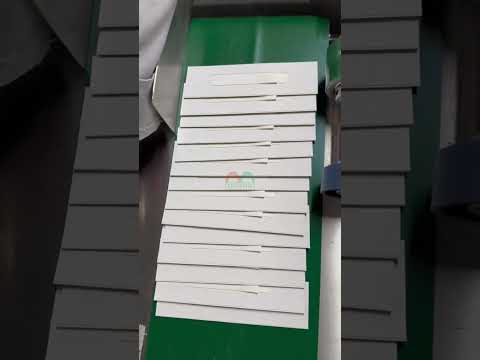
Corrugated Fold Patterns to Distribute Load
Corrugated fold patterns enhance handle performance by strategically redirecting vertical load forces into the box’s sidewalls. A herringbone or chevron fold sequence, integrated around the load-distributing handle cutout, transforms localized pull stress into compressive pressure along the flutes. This prevents the handle from tearing, as the pleated structure acts like a truss, bearing weight through geometric resistance rather than relying solely on material thickness. Precise fold angles, typically 45 to 60 degrees, ensure uniform force dissipation across adjacent panels, reducing edge buckling during transport. The pattern must align with the corrugation direction to maximize strength without compromising fold integrity.
What Makes a Portable Box Grip Essential for Moving
How These Attachments Prevent Awkward Lifting and Strain
Comparing Cut-Out Handles vs. Adhesive Pull Straps
Key Features to Look for in Box Carrying Aids
Weight Capacity and Material Durability for Heavy Loads
Grip Texture and Ergonomic Curves for Comfort
Adhesive Strength vs. Slot-Based Designs for Security
Step-by-Step Guide to Install a Corrugated Grip Properly
Preparing the Box Surface for Maximum Adhesion
Aligning the Handle to Balance the Load
Testing the Fit Before Lifting
When to Choose a Reinforced Carton Handle Over Standard Slots
Benefits for Odd-Shaped or Overweight Packages
Saving Your Hands from Pinch Points and Cuts
Common Mistakes People Make With Box Grips
Overloading Beyond the Handle’s Rating
Applying Handles to Wet or Dusty Cardboard
Ignoring the Handle’s Direction During Transport
